Residential vs Commercial Landscaping Services Explained
Introduction
Landscaping plays an important role in creating attractive, functional, and well-maintained outdoor spaces. Whether you own a home or manage a business property, professional landscaping can improve curb appeal, support plant health, and make outdoor areas more enjoyable. However, residential and commercial landscaping services differ in their goals, scale, maintenance requirements, and design considerations.
Understanding these differences can help you choose the right landscaping solutions for your property. From designing a welcoming backyard to maintaining the grounds of an office building, the right approach ensures that your outdoor space remains beautiful, practical, and sustainable.
In this guide, we explain residential vs commercial landscaping services, explore their main differences, and discuss how to choose the right landscaping professional for your needs.
What Are Residential Landscaping Services?
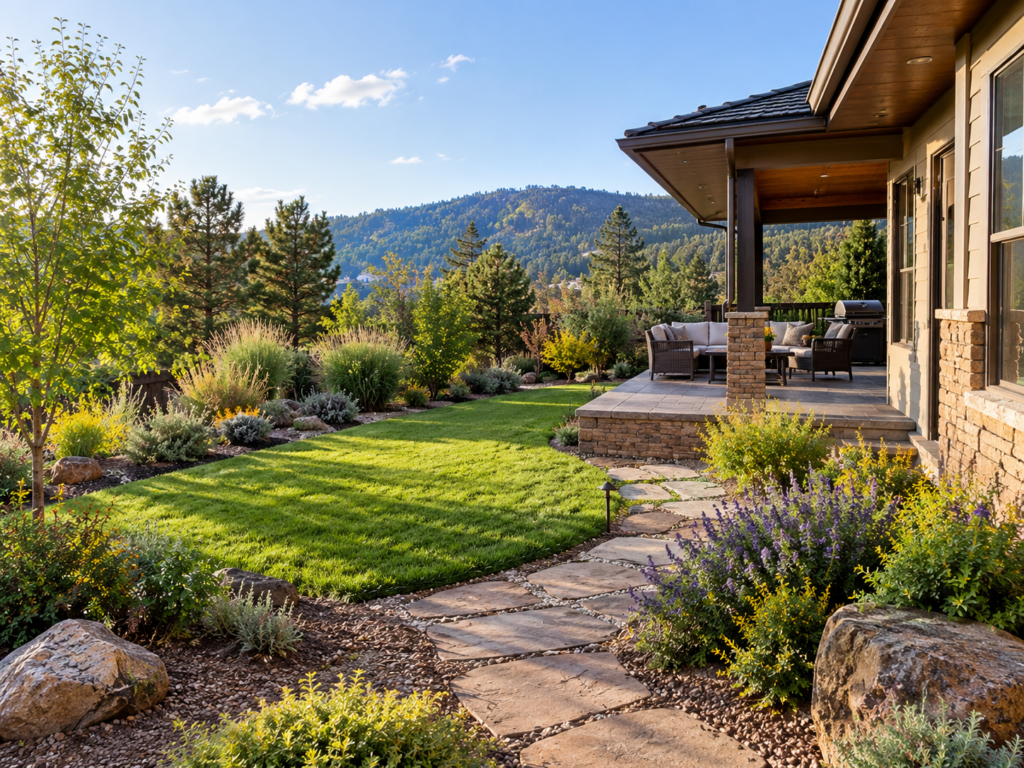
Residential landscaping focuses on improving and maintaining outdoor spaces around private homes. These projects are designed around the homeowner’s preferences, lifestyle, available space, and budget.
A residential landscape may include a front yard, backyard, garden, patio, lawn, or outdoor entertainment area. The goal is to create a comfortable and visually appealing environment that complements the home.
Common Residential Landscaping Services
Residential landscaping can include:
- Garden design and planting: Creating flower beds, ornamental gardens, and attractive plant arrangements.
- Lawn care and maintenance: Mowing, edging, fertilization, and weed management.
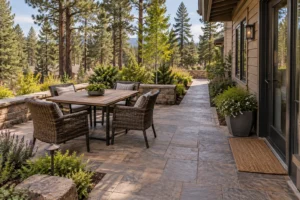
- Patios and walkways: Building functional outdoor areas for relaxation and entertainment.
- Tree and shrub care: Pruning, trimming, and maintaining healthy vegetation.
- Irrigation systems: Installing efficient watering solutions to support plant growth.
- Sustainable and edible landscaping: Developing vegetable gardens, fruit trees, raised beds, and pollinator-friendly spaces.
- Seasonal cleanup: Removing leaves, debris, and unwanted vegetation to keep the property tidy.
Homeowners can personalize these services according to their needs. For example, a family with children may prefer an open lawn for outdoor activities, while a homeowner interested in sustainability may prioritize native plants, water-efficient irrigation, and an edible garden.
What Are Commercial Landscaping Services?
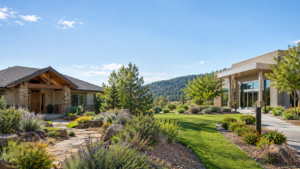
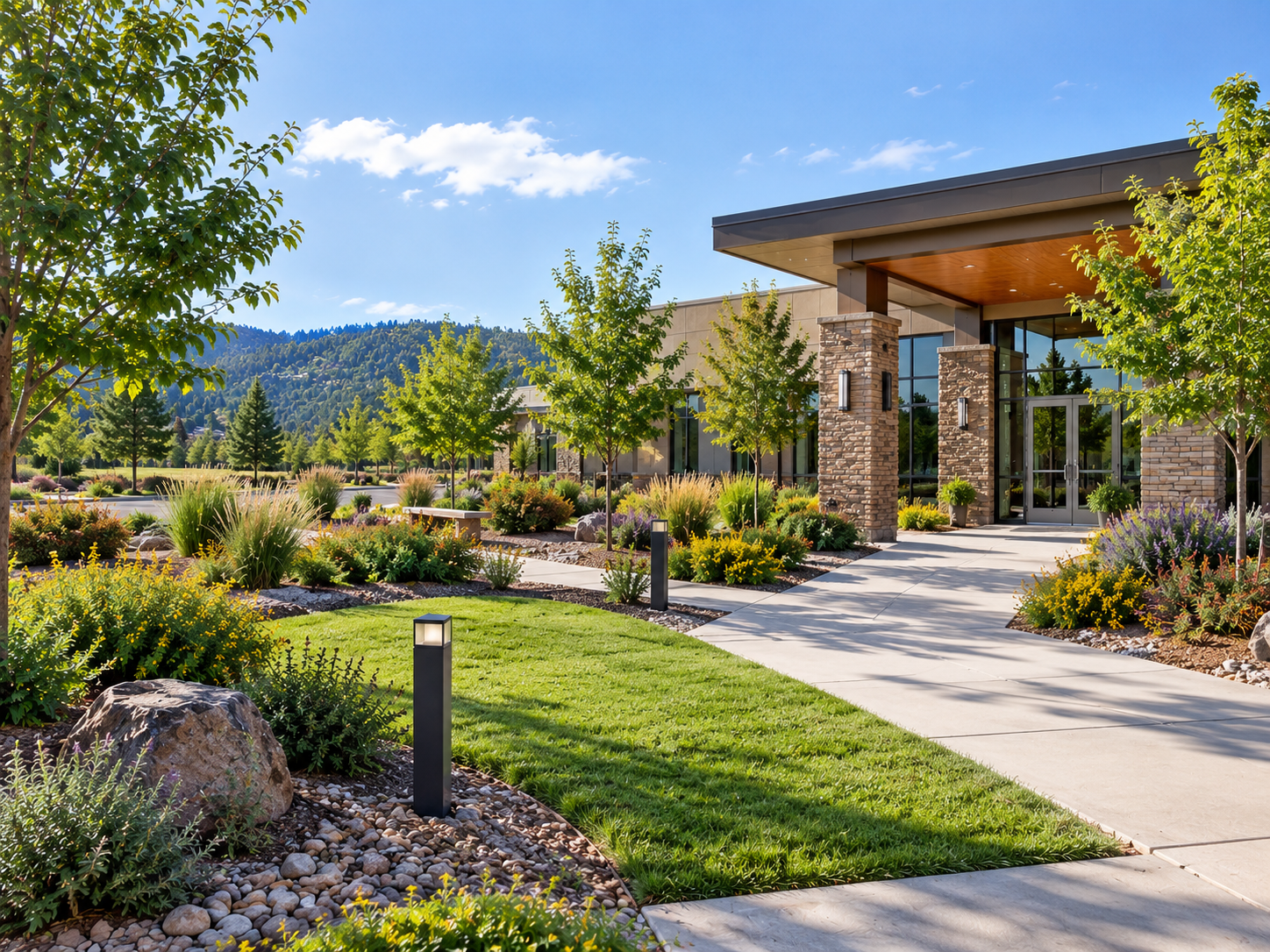
Commercial landscaping focuses on outdoor areas surrounding businesses, offices, retail centers, apartment complexes, community properties, and other non-residential developments.
Unlike residential landscaping, commercial projects often need to accommodate more visitors, larger outdoor areas, regular foot traffic, and ongoing property management requirements.
The primary objectives are to maintain a professional appearance, support safe access, and create an attractive environment for employees, customers, residents, and visitors.
Common Commercial Landscaping Services
Commercial landscaping may involve:
- Grounds maintenance: Regular mowing, edging, pruning, and general property cleanup.
- Landscape design and installation: Planning and installing gardens, trees, shrubs, and decorative features.
- Commercial irrigation: Maintaining watering systems that serve larger landscaped areas.
- Hardscaping: Constructing walkways, patios, retaining walls, and other outdoor features.
- Seasonal landscape management: Adjusting planting and maintenance schedules throughout the year.
- Drainage and erosion control: Managing water runoff and addressing soil stability concerns.
- Common-area maintenance: Keeping shared outdoor spaces clean and presentable.
For example, an office complex may require scheduled lawn care, trimmed shrubs, maintained walkways, and reliable irrigation to ensure that its grounds remain professional throughout the year.
Businesses looking for these solutions can explore professional landscaping and maintenance services to understand the available options.
Residential vs Commercial Landscaping: Key Differences
Although both types of landscaping involve design, installation, and maintenance, their priorities and practical requirements can vary considerably.
1. Project Size and Complexity
Residential landscaping usually focuses on an individual home’s outdoor space. A project might involve redesigning a small garden, installing a patio, improving drainage, or creating a low-maintenance backyard.
Commercial landscaping frequently covers larger areas and may require coordinated work across several sections of a property. Parking areas, building entrances, shared gardens, and pedestrian routes must work together as part of an overall landscape plan.
Larger projects may also require phased installation and coordination with property managers or other contractors.
2. Design Goals
Residential landscaping is generally shaped by personal preferences and everyday living needs. Homeowners may want colorful flower beds, private seating areas, shade trees, attractive walkways, or gardens that produce fresh food.
Commercial landscaping places greater emphasis on consistent presentation, accessibility, durability, and the needs of people using the property.
For example, a homeowner might prioritize a secluded garden retreat, while a retail property manager may focus on an attractive entrance and clear pedestrian pathways.
3. Maintenance Schedules
Maintenance requirements depend on the plants, climate, property size, and intended use of the landscape.
Residential properties may need weekly, biweekly, seasonal, or occasional maintenance. Some homeowners prefer to handle simple tasks themselves and hire professionals for larger projects.
Commercial properties often benefit from a planned maintenance schedule that keeps lawns, planting beds, trees, and shared outdoor areas consistently maintained. The frequency depends on how quickly the landscape grows and how much public use the property receives.
A structured maintenance plan can help identify irrigation problems, overgrown plants, weeds, and drainage concerns before they become more difficult to address.
4. Budget and Long-Term Costs
Residential landscaping budgets vary according to the size of the garden, materials, plant selection, labor, and complexity of the project.
Commercial landscaping budgets may need to account for larger areas, specialized equipment, more frequent visits, and coordinated maintenance schedules.
In both cases, the cheapest initial option is not always the most cost-effective over time. Choosing suitable plants, durable materials, efficient irrigation, and an appropriate maintenance plan can help manage ongoing expenses.
Property owners should request a detailed estimate that identifies the work included, expected schedule, materials, and any recurring maintenance costs.
5. Safety and Accessibility
Safety is important for every landscaped property, but commercial spaces may face additional considerations because they accommodate employees, customers, residents, and visitors.
Commercial landscapes should provide clear walkways, well-maintained entrances, appropriate lighting where required, and vegetation that does not obstruct access or visibility.
Residential landscapes also benefit from safe pathways, stable steps, effective drainage, and suitable placement of trees and shrubs.
Where construction, retaining walls, grading, or drainage work is involved, the design should account for site conditions and any applicable local requirements.
Sustainable Landscaping for Residential and Commercial Properties
Sustainable landscaping can benefit both homeowners and commercial property managers. The objective is to create outdoor spaces that work with local environmental conditions while reducing unnecessary water use and maintenance demands.
According to the U.S. Environmental Protection Agency, water-smart landscaping considers plant selection, soil health, landscape design, and maintenance practices to help improve outdoor water efficiency. Read the EPA’s guide to Water-Smart Landscape Design.
Here are several practical ways to incorporate sustainability into landscaping projects.
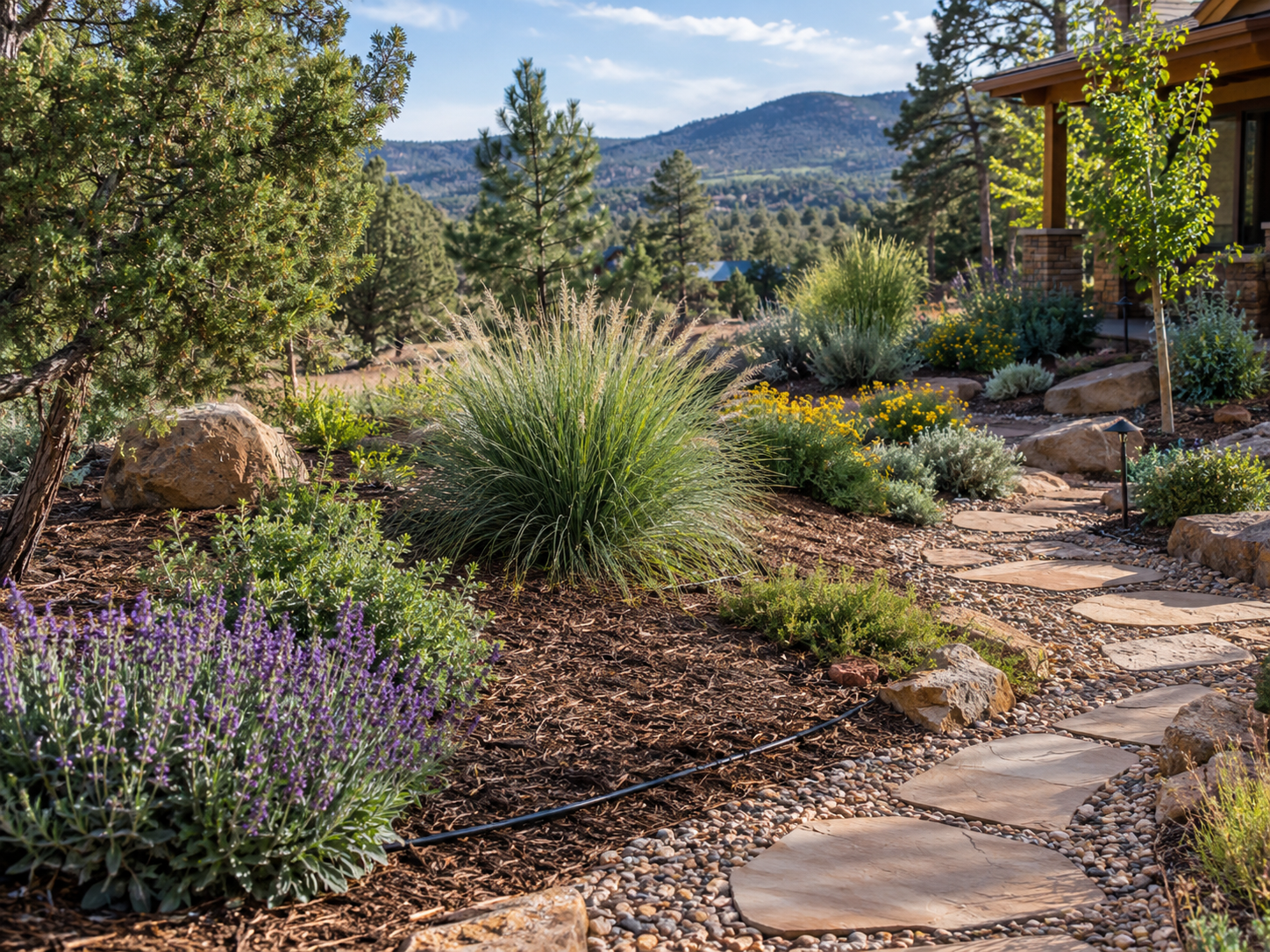
Choose Climate-Appropriate Plants
Plants suited to local soil, temperature, rainfall, and sunlight conditions are generally easier to establish and maintain. Native and drought-tolerant species may reduce irrigation requirements once established, depending on the site and plant selection.
Improve Soil Health
Healthy soil supports plant growth and helps manage water movement. Compost, suitable organic amendments, and protective mulch can support soil structure and moisture retention when used appropriately.
Install Efficient Irrigation
Drip irrigation, properly adjusted sprinklers, and appropriate watering schedules can help deliver water where it is needed. Regular inspections also help identify leaks, blocked emitters, and inefficient watering patterns.
Reduce Unnecessary Lawn Areas
Not every part of a property needs conventional grass. Decorative stone, mulched beds, native planting areas, and carefully planned ground cover can create attractive alternatives where they suit the site.
For more guidance, the EPA also explains practical ways to improve landscaping through its Landscaping Tips resource.
Plan for Long-Term Maintenance
A sustainable landscape should be designed around the amount of time, water, and care available. Selecting suitable plants and grouping them according to their watering needs can make ongoing maintenance more manageable.
How to Choose the Right Landscaping Services
Selecting the right landscaping service begins with understanding your property’s needs and the results you want to achieve.
Consider these factors before making a decision:
1. Define your goals. Decide whether you need a complete landscape redesign, routine lawn care, hardscaping, irrigation improvements, edible gardens, or drainage solutions.
2. Assess the property. Consider the available space, soil conditions, sunlight, slopes, existing plants, and water requirements.
3. Establish a realistic budget. Separate initial installation costs from ongoing maintenance expenses so you can plan for both.
4. Check relevant experience. Look for a contractor whose experience matches your project, whether it involves a residential garden, commercial grounds, sustainable planting, or hardscaping.
5. Discuss maintenance requirements. Ask how frequently the landscape will need attention and which tasks are included in the proposed service.
6. Prioritize sustainability and durability. Suitable plant choices, efficient irrigation, and well-planned outdoor features can help create a landscape that remains functional over time.
7. Request a detailed quote. Confirm the proposed scope, materials, schedule, and responsibilities before work begins.
A professional assessment can help you identify practical improvements and determine which services best match your property’s requirements.
Why Work With Nature’s Landscape Solutions?
Nature’s Landscape Solutions provides landscaping, hardscaping, landscape maintenance, irrigation, and sustainable outdoor planning services in Show Low, Arizona, and surrounding White Mountains communities.
Its service offerings include patios, walkways, garden installation, lawn care, tree and shrub maintenance, water management, edible landscaping, and permaculture planning.
Whether you want to improve a home’s outdoor living space or maintain the grounds of a larger property, a tailored landscaping plan can help balance appearance, functionality, and long-term care.
Explore the Nature’s Landscape Solutions homepage to learn more about the company and its approach to creating functional, sustainable outdoor spaces.
You can also review its landscaping services to identify options that align with your property’s needs.
Frequently Asked Questions
What is the main difference between residential and commercial landscaping?
Residential landscaping focuses on private homes and personal outdoor living needs. Commercial landscaping serves business and shared properties, with greater emphasis on consistent presentation, accessibility, and coordinated maintenance.
Are commercial landscaping services more expensive than residential services?
They can be, particularly when projects cover larger areas or require frequent maintenance. However, actual costs depend on the property’s size, design complexity, materials, labor, and service schedule.
Can the same landscaping company handle residential and commercial properties?
Yes. Some landscaping companies provide services for both property types. Before hiring, confirm that the contractor has relevant experience and can meet the project’s scope and maintenance requirements.
How often should landscaping maintenance be scheduled?
The ideal schedule depends on plant growth, local weather, irrigation needs, and property use. Some landscapes need weekly attention, while others can be maintained biweekly or seasonally.
Is sustainable landscaping suitable for commercial properties?
Yes. Climate-appropriate plants, efficient irrigation, healthy soil, and thoughtful landscape design can help commercial property owners manage water use and maintenance while maintaining attractive outdoor spaces.
How can I get a landscaping quote in Show Low, AZ?
Start by describing your property, the services you need, your goals, and any drainage or irrigation concerns. Contact Nature’s Landscape Solutions to discuss your project and request further information through the company’s website.
Conclusion
Residential and commercial landscaping share many of the same principles, but their priorities differ according to how each property is used. Residential projects focus on comfort, personal preferences, and outdoor living, while commercial projects emphasize consistent presentation, accessibility, durability, and planned maintenance.
In both settings, successful landscaping starts with careful planning, appropriate plant selection, effective water management, and a realistic maintenance strategy.
By understanding your property’s requirements and choosing services that match your goals, you can create an outdoor space that looks attractive, functions effectively, and remains manageable over time.
If you’re planning a landscaping project in Show Low or a nearby community, visit Nature’s Landscape Solutions or use the website’s contact options to discuss your landscaping needs.