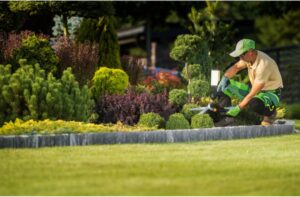
A backyard can look attractive and still be difficult to use. The patio may feel cramped once the furniture arrives. Plants may block a walkway as they mature, or rainwater may collect beside the house. Choosing the best landscaping company for modern outdoor spaces means finding a team that considers how your property functions, how you want to spend time outside, and what the landscape will need over the years.
For homeowners in Show Low and nearby White Mountain communities, that starts with a design suited to the property. Nature’s Landscape Solutions offers landscape construction, maintenance, water management and sustainable landscaping services. These connected services matter because a comfortable outdoor space depends on more than its visible finishes. The layout, planting, irrigation and ground preparation all need to work together.
This guide explains what to look for in a landscaping company, which features deserve attention, and how to compare proposals before committing to a project.
What Makes an Outdoor Space Modern
Modern landscape design usually brings together clear layouts, purposeful planting and comfortable places to spend time. It can suit a compact front yard, a family backyard or a larger rural property.
The starting point is how you live. Someone who enjoys quiet mornings outside may need a small seating area with privacy. A household that regularly entertains may need room for dining, circulation and food preparation. A gardener may want raised beds within easy reach of the kitchen.
A successful design makes these activities feel natural.
Clear Layouts and Useful Connections
Walkways should connect the places people actually use. A route from the back door to the dining area should remain clear when chairs are pulled out. Garden access should be convenient enough that watering, harvesting and maintenance do not become awkward chores.
Simple shapes can help organize these connections. However, the layout should respond to existing trees, changes in elevation and the position of the house.
Materials That Belong Together
A restrained material palette can create a coherent appearance. For example, a patio might combine a neutral paving surface, a defined gravel border and planting that softens the edges.
Repeating a few complementary materials often works better than adding a different finish to every corner. The aim is an outdoor space that feels considered and comfortable alongside your home.
Why Show Low Landscaping Needs Local Planning
A design photographed elsewhere in Arizona may not suit a White Mountains property. Plant selection needs to account for elevation, winter temperatures and the conditions within the individual yard.
University of Arizona Cooperative Extension notes that suitable plants at higher elevations can differ substantially from those used in the low desert. Its guidance emphasizes matching plants to their planting location and climate. [1]
For a homeowner comparing landscaping companies, this creates an important question: can the contractor explain why the proposed design suits your property?
Understand the Conditions Within Your Yard
Even neighboring properties can have different planting conditions. One garden may have a sheltered courtyard, while another has an exposed slope. A south-facing bed can receive different sunlight and heat from a shaded space beside the same house.
Before selecting plants, discuss:
- Sunlight at different times of day.
- Available space above and below ground.
- Soil condition and drainage.
- Exposure to wind.
- Existing trees and their shade.
- Access to irrigation and maintenance routes.
The University of Arizona’s guidance on choosing the right plants explains why site characteristics and a plant’s intended function should guide selection. [2]
Consider Nearby Communities Individually
Homeowners in Pinetop-Lakeside, Snowflake, Taylor and Heber-Overgaard may share similar design goals, but each project still needs its own assessment.
A contractor should evaluate the actual site instead of assuming that one planting list, paving specification or maintenance schedule will suit every property in the service area.
How to Choose the Best Landscaping Company
The best company for your project should be able to connect your priorities with a realistic plan. A strong sales presentation helps explain an idea, but clear scope, relevant experience and practical answers are more useful when deciding whom to hire.
Look for Experience Relevant to Your Project
Ask to see examples that resemble the work you need. A beautiful planted border does not demonstrate how a contractor handles a patio, retaining feature or drainage problem.
Discuss which parts of the examples are relevant. Was the site sloped? Did the work involve restricted access? Were existing trees retained? How was the landscape expected to change as plants matured?
These questions reveal more than a quick glance through finished photographs.
Ask About the Site Assessment
A useful first visit should include questions about your lifestyle, budget and maintenance preferences. The contractor should also observe the property and identify issues that may affect the design.
Be cautious about choosing materials before the layout and site requirements are understood. A particular paving color matters less if the proposed patio is in the wrong position.
Compare Written Proposals
The Arizona Registrar of Contractors recommends checking contractors and obtaining a written contract that describes the services, license information and project dates. It also advises reconciling the written estimate with the contract before signing. [3]
When comparing proposals, look beyond the total price.
| What to compare | What a useful proposal explains |
| Project scope | Which areas and tasks are included |
| Preparation | Excavation, removal and groundwork |
| Materials | Product types, finishes and quantities where appropriate |
| Planting | Proposed plants, sizes and placement |
| Irrigation | New installation, alterations and testing |
| Drainage | Identified concerns and the proposed approach |
| Schedule | Expected sequence and timing |
| Completion | Cleanup, walkthrough and care instructions |
A lower quote may cover less work. A higher quote should make its additional scope clear enough for you to assess.
Start With a Plan for Everyday Living
Before choosing finishes, decide what the yard needs to do. This is often the most useful preparation a homeowner can make before a consultation.
Write down the activities you want to accommodate, then rank them. You may discover that a generous dining area matters more than a decorative feature, or that access to garden beds is more important than extra paving.
Divide the Yard Into Practical Areas
Outdoor zones can make a space easier to organize without building walls between every activity.
Possible areas include:
- Dining close to the house.
- Comfortable seating with a pleasant outlook.
- A flexible space for children or pets.
- Raised beds or an edible garden.
- Storage and access for maintenance.
- Planting that creates privacy or seasonal interest.
A smaller property may combine several functions within one area. The important point is to leave enough room for each activity to work.
Check the Layout With Furniture in Mind
An empty patio often looks larger than it feels when furnished. Plan around the table, chairs, loungers or other items you expect to use.
Allow for Movement Around Furniture
Mark the proposed furniture positions on the ground where possible. Check whether doors can open, chairs can move and people can pass comfortably.
This simple exercise can reveal layout problems before construction starts. It also helps you decide whether an ambitious feature list needs to be reduced.
Build Patios and Walkways Around the Property
Hardscaping gives an outdoor space structure. Patios, paths and changes in level shape how people move through the garden and where they choose to spend time.
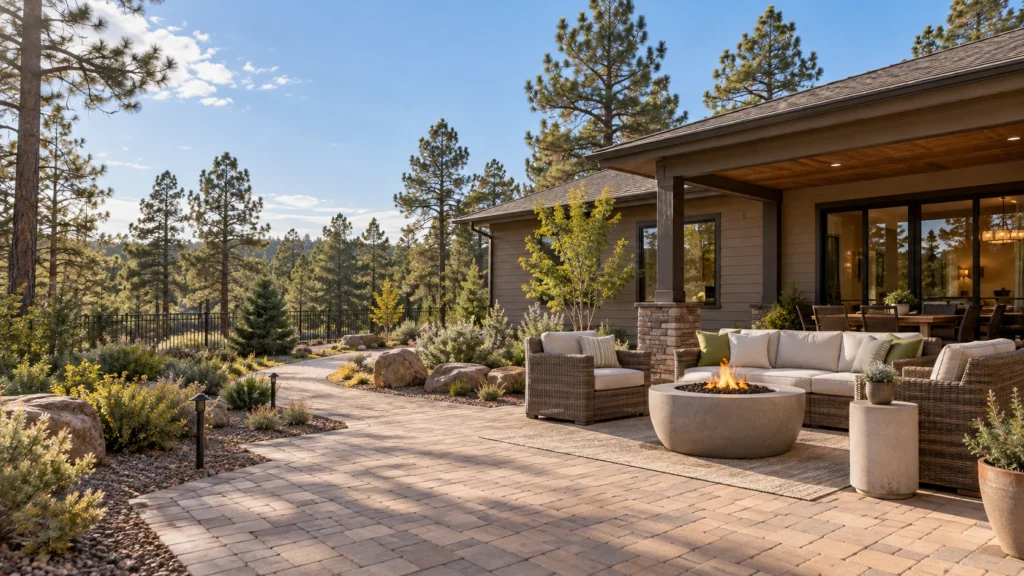
Nature’s Landscape Solutions lists patios, walkways, retaining walls and outdoor living spaces among its landscape construction services. These features should be planned alongside planting and water management so the finished landscape functions as a whole.
Choose Surfaces for Their Intended Use
Appearance is one consideration. Discuss how the surface will be used, what maintenance it needs and whether it suits the location.
A route used for moving garden equipment has different requirements from a decorative path through planting. An outdoor dining space needs a practical surface for furniture.
Ask the contractor to explain the proposed preparation and installation method. Much of a hardscape’s performance depends on work that will be hidden when the project is finished.
Keep the Design Visually Connected
Paths and patios do not need identical materials everywhere, but they should relate to one another.
A consistent border detail, repeated color or shared paving element can connect separate areas. This can be especially helpful when renovating a property in phases and retaining some existing features.
Treat Drainage as Part of the Design
Water movement deserves attention before new surfaces and planting beds are installed. A low area that already collects water may become harder to correct once a patio or walkway is in place.
Nature’s Landscape Solutions publishes services covering grading, swales, drainage installation and erosion control for local properties. The suitable approach depends on the layout and the source of the water problem.
Explain What Happens During Rain
Homeowners can provide useful information that may not be visible during a dry-weather visit.
Tell the contractor where water collects, where soil washes away and which routes become muddy. Photographs taken safely after rainfall can help explain a recurring issue.
Ask how the proposed work will affect the rest of the property. A solution should consider where water goes after it leaves the problem area.
Coordinate Drainage With Construction
A patio, path, planting bed and lawn can each affect surface water movement. They should be considered together.
Before approving a plan, ask who is responsible for evaluating these relationships and whether any specialist input is needed. Clear responsibilities help prevent assumptions between different parts of the project.
Choose Planting That Will Still Fit in Five Years
New planting can look neat because the plants are small. The more useful test is whether the design will still make sense as they grow.
Planting should support the outdoor space by providing shade, privacy, structure or interest. It should also leave room for access and routine care.
Plan Around Mature Size
The University of Arizona identifies available space as a major consideration in plant selection. Its guidance includes both the space above ground and the room available for roots. [2]
Ask how the proposed plants will relate to:
- Windows and doors.
- Walkways and seating.
- Fences and walls.
- Existing trees.
- Irrigation equipment.
- Other plants as they mature.
A plant that needs frequent cutting just to remain within its allotted space may be a poor fit for that location.
Use Repetition Thoughtfully
Repeating suitable plants can create a calm, organized appearance. A limited selection can still provide different heights, textures and flowering periods.
Ask for enough detail to understand the planting plan. General labels such as “shrubs” or “ornamental trees” leave important decisions unresolved.
If substitutions become necessary, agree on how they will be approved.
Make Irrigation Part of the Planting Plan
An attractive planting scheme needs a workable watering plan. Irrigation should be considered while the landscape is being designed, when routes and planting groups can still be adjusted.
University of Arizona guidance recommends grouping plants with similar watering needs and accounting for factors such as elevation changes and system expansion as plants grow. [4]
Ask How Different Areas Will Be Watered
A lawn, vegetable bed and established tree do not necessarily need the same watering approach.
Discuss how the system will serve each part of the landscape. Ask what equipment will remain, what will change and how the completed system will be checked.
A useful handover should help you understand the controls and recognize problems such as leaks or blocked emitters.
Allow for Seasonal Adjustments
Watering should respond to conditions. The University of Arizona advises changing schedules according to plant needs, weather, season and soil texture, along with inspecting and maintaining the system. [4]
Ask who will make initial adjustments after installation and what ongoing attention you should provide. Automation is helpful, but the landscape still needs observation.
Include Sustainable Features That Suit Your Lifestyle
Sustainability becomes practical when it connects with how you use and care for the property. A productive garden may suit one household, while another may prioritize appropriate planting and a manageable maintenance routine.
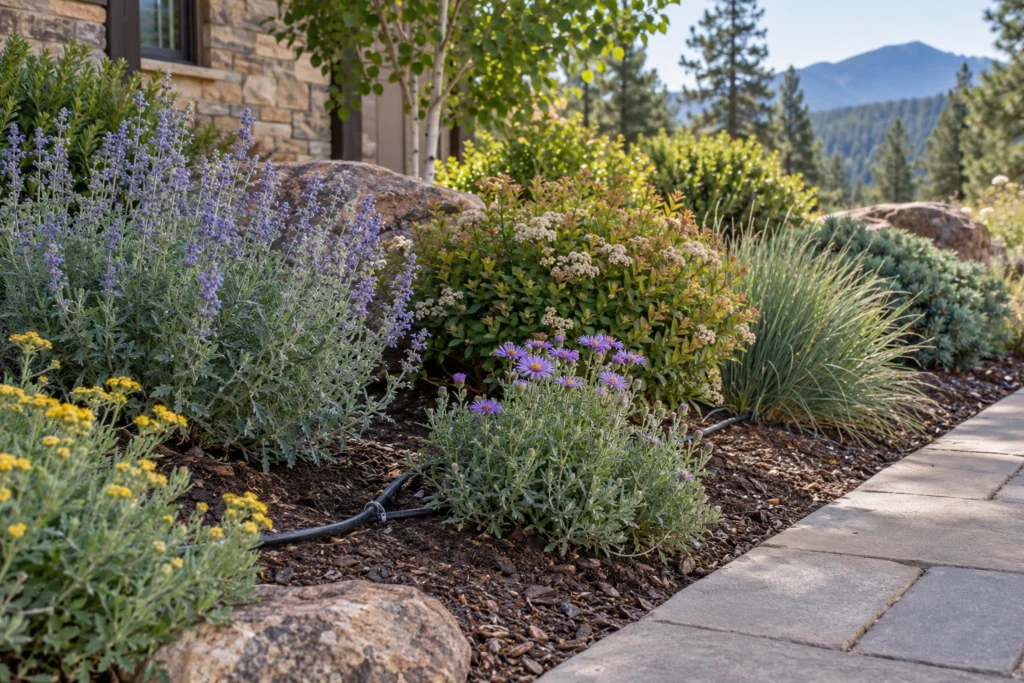
Nature’s Landscape Solutions offers sustainable landscape planning, food gardens, orchard planning and soil improvement guidance. These services can support a modern landscape where they fit the homeowner’s goals.
Give Food Gardens a Useful Position
Raised beds can look orderly and integrate well with a contemporary layout. Position them where access, sunlight and watering can be considered together.
Think about daily use. Will you pass the garden regularly? Can you reach it comfortably with tools? Is there somewhere convenient for supplies?
Be Honest About Maintenance
Every outdoor space needs some care. Even simple gravel areas may need weeding and cleanup, while irrigation equipment needs inspection.
A practical design should match the time you want to spend outside. Describe that honestly during the consultation so the proposed features support your routine.
Set a Budget Around the Whole Project
A clear budget helps the contractor recommend an achievable scope. It also makes it easier to identify which features should come first.
The size of the area is only one factor. Existing conditions, access, removal work, construction details and materials can all change what the project involves.
| Project factor | Question to discuss |
| Existing landscape | What can remain, and what needs removal? |
| Site access | How will workers, materials and equipment enter? |
| Ground conditions | What preparation is included? |
| New features | Which elements are priorities? |
| Water systems | Are drainage or irrigation changes needed? |
| Ongoing care | What maintenance will the design require? |
Avoid relying on a generic online price to judge a site-specific proposal. Ask for enough detail to understand what you are paying for.
Consider a Phased Installation
A larger project may be completed in stages. For example, the first stage could address essential site work and circulation, followed by planting and optional features.
The overall plan still matters. Ask how early work will accommodate later additions so completed areas do not need unnecessary disturbance.
Arrange Maintenance Before the Installation Ends
A new landscape continues to change after the final walkthrough. Plants establish, irrigation needs adjustment and seasonal tasks return.
This makes aftercare part of choosing a contractor. Ask what support is available and which tasks will become your responsibility.
Nature’s Landscape Solutions lists lawn care, tree and shrub care, landscape cleanup and commercial grounds care within its landscape maintenance services. Discuss the appropriate scope for your property rather than assuming every landscape needs the same schedule.
Request Clear Handover Information
Before completion, ask for:
- Basic plant care instructions.
- Irrigation operating guidance.
- Maintenance recommendations for installed surfaces.
- Details of any agreed follow-up.
- Written warranty terms where provided.
- A contact for questions about the completed work.
Good information makes the transition from installation to everyday use much easier.
Questions to Ask Before Hiring
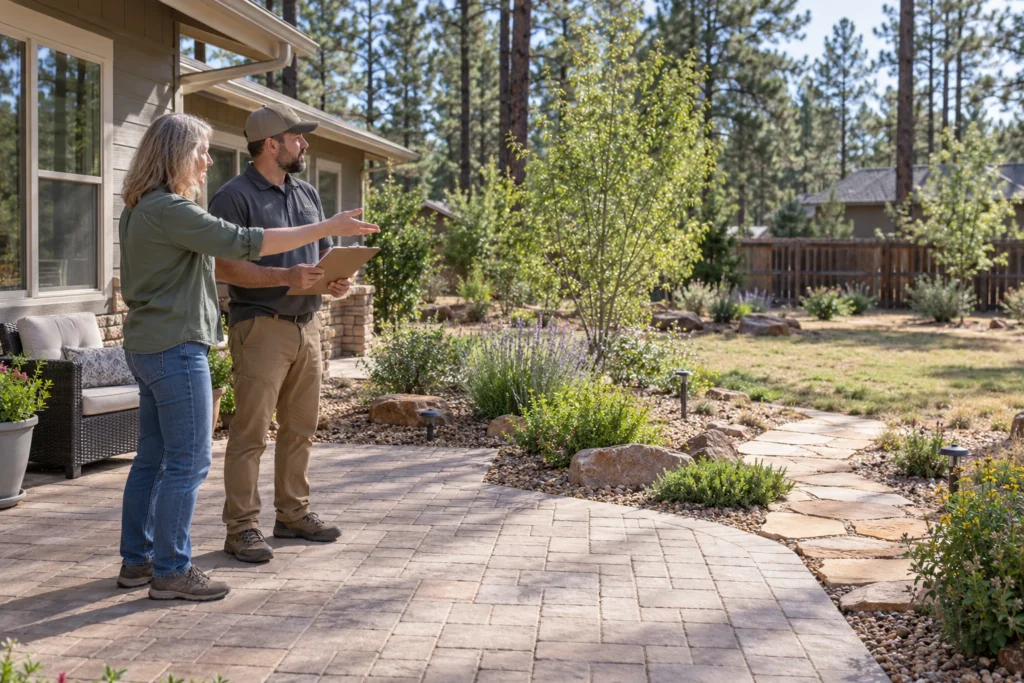
Use the consultation to understand the contractor’s approach. The answers should relate to your property and proposed scope.
- What existing conditions could affect the design?
- Which completed projects are most relevant to mine?
- What is included in the estimate?
- How will drainage and irrigation be coordinated?
- Who will supervise the work and communicate updates?
- How are changes approved and priced?
- What care will the finished landscape need?
- What happens during the final walkthrough?
You should leave with a clearer understanding of the project. If an important detail remains uncertain, resolve it before signing.
Frequently Asked Questions
What Should I Look for in a Landscaping Company in Show Low
Look for relevant project experience, a thorough site assessment, clear written scope and practical knowledge of local conditions. For contracted construction, check the company’s current license and whether its classification covers the proposed work.
Can a Modern Landscape Work in a Small Yard
Yes. A small yard can benefit from a clear route, appropriately sized seating and planting that fits its space. Prioritize the activities you value most and avoid filling every available area with separate features.
Does Modern Landscaping Need a Large Lawn
No. The balance of lawn, planting and hardscape should reflect how you use the property. Discuss recreation, appearance, watering and maintenance before deciding how much lawn makes sense.
Can I Keep Existing Trees and Update the Rest of the Yard
Often, existing trees can be considered within a renovation plan. Their condition, location and relationship to proposed construction need assessment. Discuss tree protection and access before finalizing nearby work.
How Do I Start Planning an Outdoor Renovation
List your priorities, gather a few reference images and note problems with the current yard. Prepare a comfortable budget range and explain how much maintenance you want to undertake.
Final Words
Choosing the best landscaping company starts with finding a team that understands your property and explains its recommendations clearly. Attractive materials matter, but everyday comfort also depends on layout, planting, water management and construction details.
For homeowners in Show Low and surrounding White Mountain communities, Nature’s Landscape Solutions offers services that connect these parts of an outdoor project. To discuss your goals, request a landscape consultation and ask what approach would suit your site, priorities and budget.