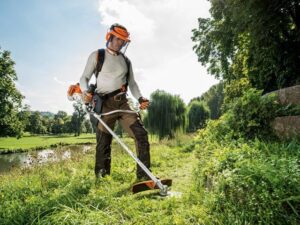
Have you ever wondered what tools do landscape designers use to bring outdoor spaces to life? From sketching ideas to transforming backyards, the right landscape design tools for beginners or professionals can make all the difference. Whether you’re planning a large property or searching for practical landscape design tools for small gardens, today’s modern design tools and innovative landscaping tools help turn creative visions into reality. With a mix of traditional equipment and smart outdoor design tools, every step of the process becomes easier, more precise, and beautifully efficient.
Why the Right Tools Matter in Landscape Design
Landscape design is everything about designing beautiful and functional outdoor spaces, and nothing of it can ever be made real without the right tools. Whether you are a beginner or an experienced professional, the appropriate tools can make your work easier, faster, and more effective. The landscape designers use numerous tools, which include measuring, planting, and visual planning, and that is why it is important to know what tools are capable of assisting in bringing your ideas to life.
Must-Have Landscape Design Tools for Every Professional
Each landscape designer must have a list of tools that are necessary to facilitate the creative and technical process of work. Those tools include simple measuring tools as well as complex design software. Some must-have tools include:
Measuring tape and rulers: This is essential in order to get the correct size of the space you are operating in.
Shovels and spades: Necessary to dig, transport soil, and plant.
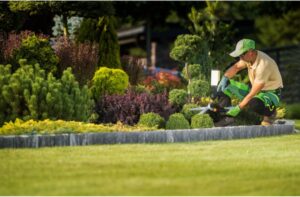
Pruners and shears: Ideal for maintaining plants and bushes, or trees.
Design software: Programs such as AutoCAD or SketchUp can assist you in designing detailed designs and layouts.
Landscape design apps: Convenient apps to visualize your project wherever you are or engage with your clients online.
These are the tools that form the core of any landscape designer’s toolkit and enable them to plan, design, and implement their projects effectively.
Landscape Design Tools for Beginners: A Starting Point
You should learn with simple and cheap things in case you are just starting landscape design. Some of the tools to consider as a beginner include:
Simple hand tools: 100-150- A set of quality rake, shovel, and pruning shears will be sufficient to start with.
Sketchbooks and pencils: You can always begin with sketchbooks and pencils before going digital. This is one of the key skills that a landscape designer must possess.
Online tools and programs: Numerous free programs and websites can assist you in designing plans and visualizing your garden plan.
Measuring tools: You will need a basic measuring tape to map out the area where you will be working.
It is worth noting that the initial step is not to use a lot of tools. Learn the ropes and gain work experience.
Best Tools for Designing Small Gardens
The challenge of the design of small gardens is special because it has very limited space, and it can be transformed by being very creative. Proper tools can assist in making the most out of a small space. Some of the major tools used in designing small gardens are:
Garden planners and applications: You can plan and visualize small spaces with the help of digital planners.
Small hand tools: Small garden areas require those tools that can be easily manipulated, such as small pruning shears or a hand rake.
Container gardening equipment: Tools needed to plant and arrange in a container are essential if you are using pots or containers.
Design software: You can plan small spaces with even free programs.
When creating small gardens, it is essential to maximize the available space by incorporating vertical gardening, narrow paths, and layering techniques.
The Most Effective Landscape Tools You Should Know
As a landscape designer, you’ll use a range of tools that help you work efficiently and with precision. Here’s a deeper look at some of the most effective landscape tools:
- Power tools: For heavy-duty tasks like digging and mulching, power tools such as a tiller or hedge trimmer are incredibly helpful.
- Wheelbarrow: A good wheelbarrow helps you move heavy materials like soil, gravel, or mulch with ease.
- Garden hoe: An essential tool for breaking up soil and maintaining garden beds.
- Landscaping software: Tools like SketchUp or Land F/X help with precise 3D modeling and making professional layouts for larger projects.
By using these tools, you’ll be able to handle more complex tasks and complete projects with higher accuracy and speed.
Innovative Design Tools Every Landscape Designer Should Try
As technology advances, landscape designers have more options than ever to enhance their creativity and streamline their work. Innovative design tools are helping designers visualize and plan more efficiently, allowing them to push the boundaries of what’s possible in landscaping. Here are some of the latest tools every designer should try:
- CAD (Computer-Aided Design): These tools allow for precise and detailed design plans. They’re perfect for creating accurate blueprints and layouts, making sure everything is to scale.
- 3D modeling software: Tools like SketchUp or Rhino give designers the ability to see their designs in 3D. This makes it easier to visualize how different elements will look in the real world and make adjustments before starting the project.
- Virtual Reality (VR) and Augmented Reality (AR): These tools help you immerse yourself in the design before it’s built. You can walk through your designs in VR or overlay them on the real world with AR.
- Drone technology: Drones are becoming a common tool for landscape designers to capture aerial views of properties and land. This gives them a broader perspective for planning large landscapes.
These innovative tools can bring your designs to life in ways traditional methods can’t, helping you create stunning, functional spaces with ease.
Landscaping Tools for Every Project: Large and Small
Landscape design isn’t one-size-fits-all; different projects require different tools. Whether you’re designing a small garden or working on a large commercial project, the right tools make all the difference. Here are some essential landscaping tools for all types of projects:
- For small projects: Smaller hand tools like trowels, pruners, and rakes work well for intimate gardens. You’ll also need lightweight tools like a hand-held weeder for detailed tasks.
- For larger projects: Power tools such as lawnmowers, tillers, and hedge trimmers can save time and energy when working on expansive areas. A heavy-duty wheelbarrow or garden cart is also helpful for transporting large amounts of soil or mulch.
- Specialized tools: For specific tasks like building hardscaping features (patios, walls, etc.), you’ll need tools like a masonry saw or a shovel for digging post holes.
When choosing tools for your landscaping project, always consider the scope and scale of the work. For example, intricate plantings might require smaller, more precise tools, while large projects need equipment that can handle heavier workloads.
Outdoor Design Tools: Bringing Your Vision to Life
Transforming an outdoor space takes vision and the right set of tools. Outdoor design tools help landscape designers plan, visualize, and execute their ideas with precision. Here’s how these tools can help:
Garden design software:
Programs like Garden Planner or iScape help visualize how plants, furniture, and features will look in your space. You can move elements around easily, test different combinations, and see how everything fits together.
Landscape visualization tools:
These tools use 3D and augmented reality to show how your design will look in real life. You can view your design from different angles and in different lighting conditions to make sure it works.
Hardscaping tools:
If you’re adding pathways, retaining walls, or patios, outdoor-specific tools like stone cutters, trowels, and paving tools are essential for getting the job done right.
Planting tools:
From planting augers to automatic watering systems, outdoor tools help you execute planting plans efficiently, ensuring plants get the care they need.
By using these outdoor design tools, you can bring your vision to life, whether you’re designing a private garden or a large public park. The right tools allow you to take your ideas from paper to reality with ease and precision.
Conclusion:
Choosing the right landscape tools is the key to transforming any space—big or small—into something truly inspiring. With so many landscape design tools for beginners and advanced options available, even new designers can start shaping outdoor spaces with confidence. Whether you’re focusing on landscape design tools for small gardens or exploring modern outdoor design tools, having the right set ensures accuracy, creativity, and lasting results. The perfect blend of design tools and landscaping tools empowers you to create stunning, functional, and sustainable outdoor environments.
FAQs
What tools do landscape designers use most often?
Landscape designers commonly use design software, measuring tapes, sketching tools, pruners, shovels, and digital landscape tools to plan and execute outdoor spaces.
What are the best landscape design tools for beginners?
For beginners, easy-to-use landscape design tools for beginners include graph paper for sketches, tape measures, garden gloves, and simple online design software.
Which landscape design tools are ideal for small gardens?
Compact landscape design tools for small gardens include handheld pruners, small shovels, lightweight rakes, and mobile-friendly design apps for easy planning.
Are digital design tools better than traditional landscaping tools?
Both are important. Design tools like software help visualize ideas, while landscaping tools such as trowels, hoes, and wheelbarrows bring those plans to life.