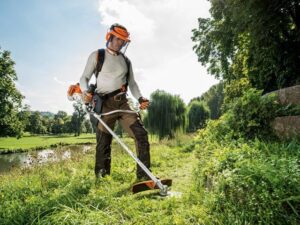
Creating a beautiful outdoor space no longer means spending endless time, money, and water on maintenance. Modern homeowners are increasingly searching for sustainable and low-maintenance landscape design ideas that enhance curb appeal while being environmentally responsible. Whether you have a small backyard or a large outdoor area, smart landscaping choices can save time, reduce costs, and improve long-term value.
This guide explores 10 practical and eco-friendly landscape design ideas, along with cost considerations and seasonal tips to help you make informed decisions.
1. Native Plant Landscaping
Native plants are naturally adapted to local climates, making them one of the most sustainable landscaping options.
Benefits:
- Require less water and fertilizer
- Resistant to local pests and diseases
- Support native wildlife and pollinators
Cost Tip: Initial planting costs are moderate, but long-term maintenance expenses are very low.
Seasonal Tip: Plant during early spring or fall for better root establishment.
2. Xeriscaping for Water Efficiency
Xeriscaping focuses on drought-tolerant plants and minimal irrigation, making it ideal for water-conscious homeowners.
Benefits:
- Significant water savings
- Minimal mowing and upkeep
- Clean, modern landscape appearance
Cost Tip: Installation may cost more upfront but drastically reduces monthly water bills.
Seasonal Tip: Best planned before summer to prepare for dry conditions.
3. Mulch and Ground Covers
Replacing grass in some areas with mulch or ground cover plants is a smart low-maintenance solution.
Benefits:
- Prevents weed growth
- Retains soil moisture
- Enhances soil health
Cost Tip: Organic mulch is affordable and easy to replace annually.
Seasonal Tip: Refresh mulch in spring to prepare soil for warmer months.
4. Artificial Turf for High-Traffic Areas
Artificial turf is an excellent alternative to natural grass in areas that receive heavy foot traffic.
Benefits:
- No mowing, watering, or fertilizing
- Always looks green
- Durable and long-lasting
Cost Tip: Higher initial investment, but nearly zero maintenance costs.
Seasonal Tip: Suitable for installation year-round in mild climates.
5. Sustainable Hardscaping (Patios & Walkways)
Using stone, pavers, or concrete reduces the amount of grass while creating functional outdoor spaces.
Benefits:
- Reduces water usage
- Adds structure and usability
- Increases property value
Cost Tip: Choose locally sourced materials to reduce costs.
Seasonal Tip: Install during dry seasons to avoid delays and soil shifting.
6. Drip Irrigation Systems
Drip irrigation delivers water directly to plant roots, reducing waste and improving plant health.
Benefits:
- Uses up to 50% less water than sprinklers
- Prevents overwatering
- Works automatically with timers
Cost Tip: Moderate installation cost with long-term savings.
Seasonal Tip: Adjust settings seasonally to match rainfall and temperature.
7. Perennial Plants Instead of Annuals
Perennials return year after year, reducing the need for frequent replanting.
Benefits:
- Lower long-term planting costs
- Less labor each season
- Consistent landscape appearance
Cost Tip: Higher initial cost but better value over time.
Seasonal Tip: Divide and prune perennials in early spring or fall.
8. Low-Maintenance Lawn Alternatives
Consider clover lawns, ornamental grasses, or moss gardens instead of traditional turf.
Benefits:
- Minimal mowing
- Improved soil quality
- Natural, eco-friendly look
Cost Tip: Lawn alternatives are often cheaper than sod installation.
Seasonal Tip: Establish during cooler seasons for better growth.
9. Energy-Efficient Landscape Lighting
Solar and LED lighting adds beauty and safety without increasing energy costs.
Benefits:
- Low energy consumption
- Enhances night-time aesthetics
- Improves security
Cost Tip: Solar lights require no wiring and are budget-friendly.
Seasonal Tip: Clean panels regularly for maximum efficiency.
10. Smart Landscape Planning & Zoning
Grouping plants with similar water and sunlight needs simplifies maintenance.
Benefits:
- Easier care routines
- Reduced water waste
- Healthier plants
Cost Tip: Proper planning avoids costly redesigns later.
Seasonal Tip: Review plant performance at the end of each season and adjust zones accordingly.
Final Thoughts
Sustainable and low-maintenance landscape design is not just a trend—it’s a smart investment in your property and the environment. By choosing eco-friendly materials, water-efficient systems, and low-upkeep plants, you can enjoy a beautiful outdoor space without constant effort.
Whether you’re planning a complete landscape transformation or small upgrades, these ideas offer practical solutions that balance aesthetics, sustainability, and long-term savings.