Environmentally friendly landscaping is all about designing your outdoor space to work with nature instead of against it. It focuses on using native plants, saving water, and reducing waste while keeping your garden beautiful. You’ll discover how eco-friendly landscaping connects creativity with sustainability for a healthier outdoor space. From composting and smart irrigation systems to sustainable lawn alternatives, these simple ideas can make your yard greener and easier to care for.
Benefits of Sustainable Landscape Design
Choosing an environmentally friendly landscaping offers more than just beauty — it helps your home and the environment in many ways:
- Saves water and energy: Smart planting and irrigation systems use less water and reduce utility costs.
- Reduces waste and pollution: Composting and using organic products cut down on chemicals that harm the soil.
- Attracts pollinators and wildlife: Native flowers and trees provide food and shelter for bees, butterflies, and birds.
- Cuts long-term maintenance costs: Eco-friendly landscapes need less mowing, watering, and fertilizers.
- Improves soil health and air quality: Composting and mulching enrich the soil naturally and keep the air clean.
A sustainable design keeps your garden green year-round while lowering your environmental impact.
Best Eco-Friendly Landscaping Ideas for Homes
If you want a beautiful yard that’s easy to care for and good for the planet, try these eco-friendly landscaping ideas:
- Replace grass with sustainable lawn alternatives: Use native plants, groundcovers, or clover lawns that need less watering and mowing.
- Use smart irrigation systems: Install drip irrigation or moisture sensors that water only when needed, saving water and money.
- Install rain barrels: Collect rainwater to reuse for your plants and garden beds.
- Go solar: Use solar-powered outdoor lights to brighten your yard without increasing your electricity bill.
- Choose recycled or natural materials: Build walkways and patios with reclaimed wood, stone, or recycled bricks to reduce waste.
These small, simple steps can turn your garden into a sustainable outdoor space that looks great and supports a healthier environment.
Landscape Design Techniques That Benefit the Environment
When designing an environmentally friendly landscaping, a few simple techniques can make a big difference for the planet.
- Native Plant Landscaping: Using plants that naturally grow in your area helps save water and reduces the need for fertilizers or chemicals. These plants are strong, attract local wildlife, and keep your garden healthy.
- Permeable Paving: Instead of concrete, use materials that let rainwater soak into the ground. This helps prevent flooding and refills the groundwater naturally.
- Composting and Soil Regeneration: Turn kitchen scraps and garden waste into compost to feed your soil. Healthy soil supports stronger plants and prevents waste from entering landfills.
- Zero-Waste Landscaping Practices: Reuse what you already have — mulch leaves, repurpose branches, and use old containers for planting.
These simple design choices protect the environment while keeping your landscape beautiful and low-maintenance.
How to Design a Sustainable Backyard?
You don’t need a big space or a huge budget to design a sustainable backyard. Here’s a simple step-by-step guide:
- Check your yard: Notice where the sun shines most and how the water drains.
- Choose native plants: Go for drought-resistant plants that need less watering.
- Add shade trees: Plant trees in sunny spots to naturally cool your home.
- Create zones: Divide your yard into areas for gardening, composting, and relaxing.
- Use smart watering systems: Drip irrigation and mulch help save water and protect the soil.
With small, thoughtful changes, you can create a green space that’s both eco-friendly and easy to maintain.
Tips for Environmentally Friendly Landscaping Maintenance
Maintaining a green garden doesn’t have to be hard. Try these simple habits to care for your yard naturally:
- Mow less often: Let your grass grow a bit longer and leave the clippings to feed the soil.
- Use organic pest control: Try neem oil or insecticidal soap instead of harsh chemicals.
- Feed the soil naturally: Compost tea or bone meal keeps plants strong without harming the environment.
- Cut down on plastic: Use biodegradable pots or repurpose old containers instead.
Affordable Green Landscaping Solutions
You can have a beautiful, eco-friendly yard without spending too much. Here’s how:
- Start small: Focus on one part of your garden at a time.
- Reuse what you have: Old stones, bricks, or containers can become garden borders or planters.
- Plant swaps: Exchange plants with friends or neighbors to save money.
- Compost at home: It’s free and helps improve soil naturally.
- Try sustainable lawns: Replace grass with micro-clover or groundcovers that need less water.
Small, low-cost steps can lead to a greener, more sustainable outdoor space.
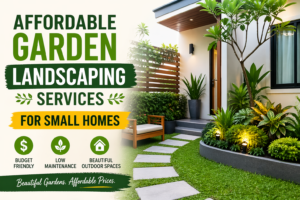
Eco-Friendly Landscape Design for Small Gardens
Even small spaces can be turned into beautiful green areas. Here are some easy ideas:
- Go vertical: Use wall planters or hanging pots for herbs and flowers.
- Install compact drip systems: Save water with a small irrigation setup.
- Design multi-use spaces: Add a bench surrounded by plants for beauty and relaxation.
- Use native dwarf plants: They fit small areas and are easy to maintain.
- Try recycled planters: Old wooden boxes, cans, or pots make great eco-friendly planters.
A small garden can still make a big environmental impact when designed smartly.
Choosing Eco-Landscaping Companies Near You
If you want professional help, choose companies that care for the planet. Look for:
- Use of native plants and organic methods
- Waste reduction and recycling practices
- Knowledge of smart irrigation systems
- Clear pricing and simple maintenance plans
Common Mistakes to Avoid
Even with good intentions, some habits can harm your landscape and the environment:
- Overwatering or ignoring your local climate
- Planting non-native species that need too much care
- Using chemical fertilizers or synthetic mulch
- Forgetting to compost or care for soil health
Avoiding these mistakes keeps your landscape thriving while helping the planet stay green.
Conclusion:
Environmentally friendly landscaping is a simple way to create beauty while protecting the environment. By choosing natural materials, organic pest control, and sustainable lawn options, you help reduce waste and support local ecosystems. Even small gardens can make a big difference when designed with care and sustainability in mind. With every plant and mindful choice, you’re not just improving your yard — you’re helping build a healthier planet for the future.